
“Warehouse” and “fulfillment center” get used interchangeably, but they describe two fundamentally different operations. A warehouse stores inventory. A fulfillment center stores inventory and picks, packs, ships, and returns individual customer orders on your behalf….
Read More
What is Drayage?

Drayage is a short-haul logistics service that moves shipping containers from an ocean port or rail terminal to an ecommerce order fulfillment warehouse. For brands importing goods from overseas, it is the first step in getting inventory…
Read More
Working with Retailers & EDI A Guide for eCommerce Retailers
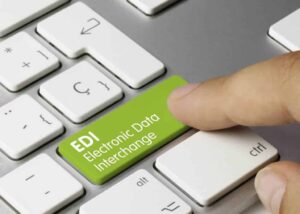
Electronic Data Interchange (EDI) is a standardized format for exchanging business documents between trading partners, and many large retailers require it before they will accept orders from an ecommerce brand. This guide explains the trading…
Read More
How Barcode Technology Streamlines Warehouse Processes and Reduces Costs

Barcode technology uses scannable labels on products, cartons, skids, locations, packing materials, and picking totes so warehouse teams can capture data with a quick scan instead of manual, handwritten entry. In an ecommerce warehouse, that…
Read More
What is lot control and why is it important?

Lot control is an inventory management process that assigns a lot number (Lot ID) to each batch of products as it enters the warehouse, so every unit can be traced to its batch, receiving date,…
Read More
Inventory Turnover Ratio: How to Calculate It for Your Ecommerce Business

Your inventory turnover ratio is one of the most important key performance indicators in ecommerce. A strong inventory management strategy is crucial to the success of your brand, and whether you store products yourself or…
Read More
How To Improve Your Order Fulfillment

Any company, especially an ecommerce oriented business, regardless if it is large- or small-scale, should have a proper, efficient and smooth order fulfillment process in place. Order fulfillment is one of the most essential parts…
Read More