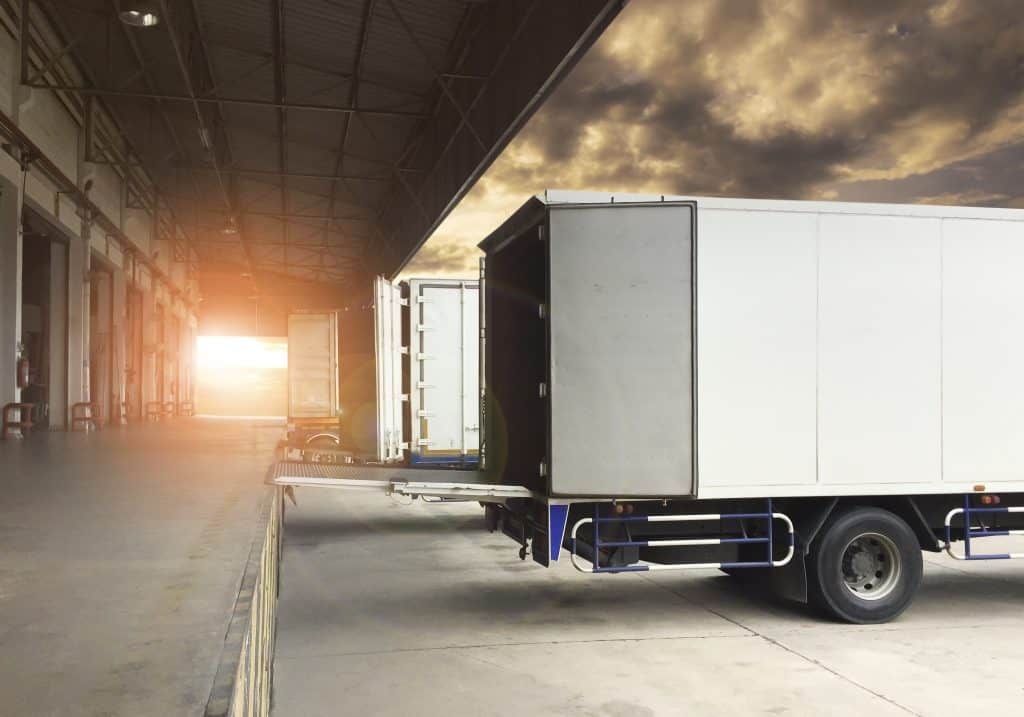
Drayage is a short-haul logistics service that moves shipping containers from an ocean port or rail terminal to an ecommerce order fulfillment warehouse. For brands importing goods from overseas, it is the first step in getting inventory into the fulfillment network after it clears customs.
When a container arrives at the port, it cannot sit there indefinitely. A licensed drayage carrier picks it up and transports it, typically by truck, to a warehouse or distribution center where it is unloaded, received into inventory, and made available to fill orders. The entire move usually covers 50 to 100 miles and takes one to three business days.
What is Drayage and How Does It Work?
Drayage is the name of the service that you will use to transport your goods from the port to your ecommerce warehouse. This is especially important for ecommerce retailers who manufacture their product in another country and import the finished goods to the United States.
In general, drayage is a specialty logistics service that is an essential part of the container shipping industry. If your goods have been shipped to the port in a container, they will need to be transported to your ecommerce warehouse via truck, ship or rail. According to the Intermodal Association of North America (IANA), there are more than 60 million drayage movements each year in North America. Drayage becomes part of your intermodal shipping strategy.
All drayage carriers are expected to have the proper bonding and licensing requirements. A drayage company will pick up containers from warehouses, rail terminals, ocean ports and harbors. The huge steel shipping containers will be pulled off of rail cars or ship decks and placed on the back of the freight trucks for transport.
What Are the Types of Drayage Services?
Drayage is not a single service type. Carriers and freight brokers offer several variations depending on the cargo’s origin, urgency, and destination:
- Pier drayage — container pickup directly from the marine terminal dock.
- Intermodal drayage — transport from a rail yard or inland container transfer facility to a warehouse.
- Expedited drayage — priority handling for time-sensitive cargo, typically at a premium rate.
- Shuttle drayage — temporary container storage at a depot before final delivery when the warehouse is not ready to receive.
- Door-to-door drayage — combined port pickup and final delivery in a single contracted move.
The right type depends on your port of entry, carrier availability, and delivery timeline. Your freight broker or 3PL can recommend the appropriate service based on your shipment schedule.
How Much Does Drayage Cost?
Drayage costs vary based on mileage, container size, shipment weight, and accessorial charges. A basic drayage move from port to warehouse can range from a few hundred to over a thousand dollars per container, depending on the port market.
Common accessorial fees that add to the base drayage rate include:
- Chassis split fee — when the container and chassis come from different providers.
- Pre-pull fee — when the carrier pulls the container early to avoid port demurrage charges.
- Detention fee — charged when the driver waits beyond the free time at pickup or delivery.
- Drop fee — charged when the container is dropped at the warehouse and picked up later rather than live-unloaded.
During periods of port congestion, accessorial fees can significantly increase the total cost of a drayage move. Working with a 3PL that has established drayage carrier relationships can help manage these costs and minimize delays.
How Should I Select a Drayage Service?
Selecting a drayage provider requires understanding your shipment requirements and the capabilities of available carriers at your port of entry. Key factors to evaluate include carrier licensing and port access credentials, equipment availability, proximity to your destination warehouse, and experience with your cargo type.
Brands that use a 3PL for fulfillment often benefit from working through their 3PL’s preferred drayage network, since the carrier is already familiar with the warehouse’s receiving appointments, dock requirements, and inbound process. This coordination reduces the risk of delays at the receiving end.
Ask potential drayage carriers about their demurrage and per-diem management process, since unmanaged port fees can exceed the cost of the drayage move itself during congestion periods.
What Are the Different Types of Containers?
The containers used for ocean freight and drayage come in several standard sizes and configurations. Understanding container types helps you plan your import shipment and ensure your drayage carrier has the appropriate equipment.
- 20-foot standard (TEU) — the base unit of container measurement; suitable for dense, heavy cargo.
- 40-foot standard — the most common size for general ecommerce merchandise.
- 40-foot high-cube — adds approximately one foot of interior height, useful for bulky or lightweight goods.
- Refrigerated (reefer) — temperature-controlled containers for perishable goods.
- Open-top — used for cargo that cannot be loaded through the container doors.
- Flat-rack — for oversized or non-standard cargo that cannot fit inside a standard container.
Container size and type affect the drayage rate, the equipment the carrier needs, and the warehouse receiving equipment required. Your freight forwarder can advise on the best container type for your cargo weight and volume.
What Happens When the Container Arrives at the Fulfillment Center?
Once the drayage carrier delivers the container to the fulfillment warehouse, the inbound receiving process begins. The warehouse schedules an unloading appointment in advance, ensuring a dock door and receiving staff are ready when the container arrives.
- Container inspection — the seal number is verified against the bill of lading before the container is opened.
- Unloading — products are unloaded and staged on the receiving dock, typically by a warehouse crew or lumper service.
- Receiving count — each SKU is counted and verified against the packing list.
- WMS entry — received inventory is entered into the warehouse management system, creating an inventory record for each product.
- Put-away — products are moved to their assigned storage locations in the warehouse, making them available for order fulfillment.
The receiving process can take anywhere from a few hours to several business days, depending on the size of the shipment, the product mix, and the warehouse’s scheduling queue. Planning your drayage delivery to arrive on a confirmed receiving appointment minimizes time in the dock and gets inventory available faster.
How Fulex Supports Your Drayage and Fulfillment Needs
Fulex has supported ecommerce brands with ecommerce order fulfillment, warehousing, and inventory management since 2003. Our fulfillment centers in Chattanooga, Dallas/Fort Worth, Detroit, New Castle, and San Diego are positioned to receive container shipments from major port markets across the United States.
If you need to connect your imported goods with a Fulex fulfillment location, we can refer you to our preferred drayage vendors who are familiar with our receiving process. Once your container arrives and is unloaded, our team manages the inbound receiving, inventory count, and put-away so your products are ready to ship as quickly as possible.
Learn more about transportation solutions and how Fulex works, or please contact us to discuss your inbound shipping and ecommerce order fulfillment needs.