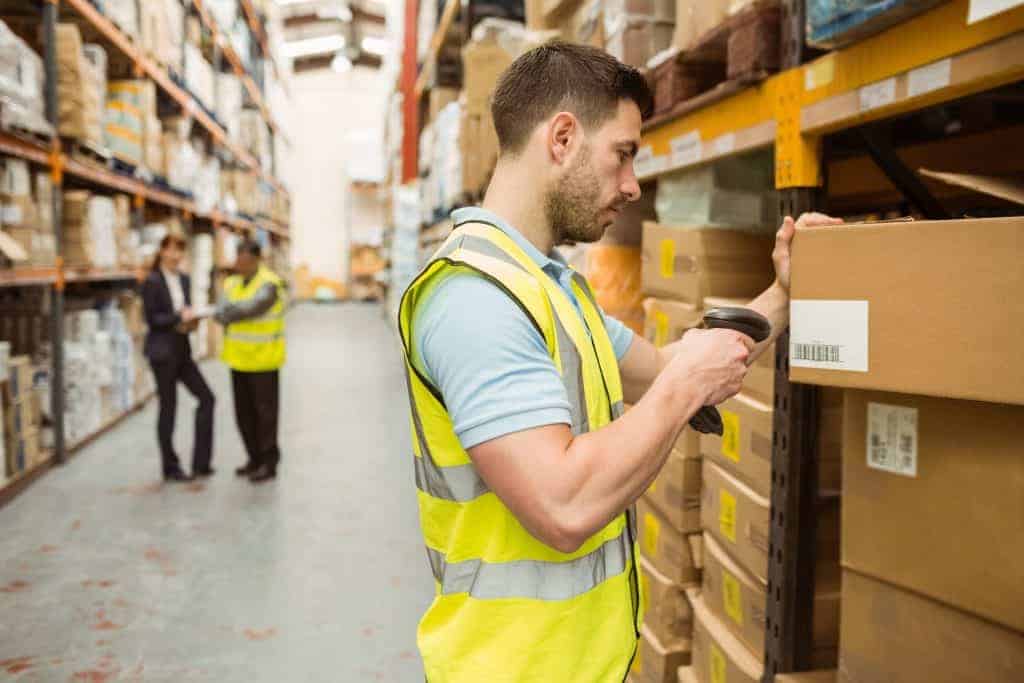
Barcode technology uses scannable labels on products, cartons, skids, locations, packing materials, and picking totes so warehouse teams can capture data with a quick scan instead of manual, handwritten entry. In an ecommerce warehouse, that means faster receiving, picking, packing, and shipping, fewer data-entry errors, and real-time inventory visibility. Fulex is a third-party logistics company established in 2003 that supports ecommerce brands with order fulfillment services, warehousing, kitting and assembly, and transportation solutions, and barcode-driven processes help keep those operations accurate and efficient.
What Is Barcode Technology in Warehousing?
Barcode technology in warehousing is a scanning system that ties every product, location, and order to a unique code a wireless device can read in seconds. Each scan records what was moved, when, and by whom, then updates the warehousing management system (WMS) and order management system (OMS) in real time. By replacing manual data entry, it supports greater quality control, lower operational costs, and more consistent order accuracy across the fulfillment process.
Key Benefits of Barcode Technology for Ecommerce Fulfillment
Greater Quality Control Over Warehouse Operations
Every scan creates a verified record of what moved and when, giving managers tighter oversight of inbound and outbound activity without relying on handwritten logs.
Reduced Operational Costs
Replacing manual data entry lowers labor time and cuts errors that lead to returns and reshipments. Consistent cycle counting also reduces the need for disruptive full physical inventory counts.
Improved Efficiency and Accuracy
Scanning verifies the right product at each step and updates inventory instantly, so teams work faster while keeping order accuracy consistent.
How Barcode Scanning Supports Each Stage of Fulfillment
Barcode scanning touches nearly every stage of how our fulfillment process works, from inbound inventory to outbound shipment.
Receiving
Scanning confirms inventory receipt, guides put-aways, and supports kit builds so stock is logged accurately the moment it arrives.
Material Handling
Moving, merging, transferring inventory, and counts are all recorded by scan, keeping locations and quantities current.
Picking
Pick-to-cart and line-item confirmation verify the correct item and quantity before an order advances.
Packing
Product verification and package-contents tracking confirm the right items are boxed before the order ships.
How Barcode Technology Improves Accuracy and Productivity
Improve Accuracy Across Warehouse Operations
Removing handwritten notes and keyed entry eliminates a common source of misread or mistyped information across receiving, picking, and packing.
Speed Up Transactions With Barcode Scanning
Wireless devices let workers scan at the shelf, dock, or bulk zone instead of returning to a computer, saving labor time on every transaction.
Maximize Worker Productivity and Track Progress
Scan data shows real-time task progress, helping supervisors balance workloads and keep orders moving during normal and peak demand.
Get Real-Time Inventory Updates in the WMS
Each scan posts to the WMS immediately, so inventory levels and order status reflect activity as it happens.
How Barcode Technology Fits Into Fulex Fulfillment Services
Barcode technology is one part of a connected fulfillment process. At Fulex, scannable data supports order fulfillment, keeps warehousing and inventory organized and visible, guides kitting and assembly for multi-item and bundled orders, and helps coordinate transportation solutions as orders move from the warehouse to the customer. For ecommerce brands outgrowing in-house fulfillment, that connected, data-driven approach is designed to improve operational efficiency and customer experience.
Frequently Asked Questions About Barcode Technology in Warehousing
What is barcode technology in a warehouse?
Barcode technology in a warehouse uses scannable labels on products, cartons, locations, packing materials, and totes so staff can capture data with a quick scan instead of writing it by hand. Each scan records the transaction and updates inventory in real time, which supports faster, more accurate receiving, picking, packing, and shipping.
How does barcode technology reduce warehouse costs?
Barcode scanning reduces costs by replacing manual data entry, which lowers labor time and cuts errors that lead to returns and reshipments. Real-time data helps managers oversee operations with more accuracy, and consistent cycle counting reduces the need for disruptive physical inventory counts, supporting a leaner, more efficient warehouse.
How do barcodes improve order accuracy?
Barcodes improve accuracy by removing handwritten notes and keyed data entry, where employees can misread or mistype information. Scanning verifies the right product at receiving, picking, and packing, and confirms package contents before shipping. This reduces human error across the fulfillment process and helps ensure customers receive the correct order.
Which warehouse processes use barcode scanning?
Barcode scanning supports receiving (inventory receipt, put-aways, and kit builds), material handling (moving, merging, transferring inventory, and counts), picking (pick to cart and line-item confirmation), and packing (product verification and package contents tracking). It touches nearly every stage of the fulfillment process from inbound inventory to outbound shipment.
What is the difference between a WMS and an OMS?
A warehouse management system (WMS) manages activity inside the warehouse, such as receiving, put-away, picking, and packing. An order management system (OMS) tracks customer orders and inventory availability across the business. Barcode scans posted in the WMS can update the OMS, so inventory levels reflect activity as it happens.
Does barcode scanning speed up order fulfillment?
Yes. Scanning is faster than manual data entry, so orders move through picking, packing, and shipping more quickly. Wireless devices let workers scan at the shelf, dock, or bulk zone instead of returning to a computer, which saves labor time and helps get orders out the door faster during normal and peak demand.
Why is barcode technology important for ecommerce brands?
Ecommerce brands rely on accurate, fast fulfillment to protect customer experience. Barcode technology supports real-time inventory visibility, fewer picking and shipping errors, and scalable operations during growth or seasonal demand. That reliability helps brands ship the right orders on time as volume increases without adding proportional manual effort.
Does Fulex use barcode technology in its fulfillment process?
Fulex is a third-party logistics company established in 2003 that supports ecommerce brands with order fulfillment, warehousing, kitting and assembly, and transportation solutions. Barcode-driven processes help keep receiving, picking, packing, and inventory accurate and efficient. To learn how Fulex can support your operations, request a fulfillment quote or talk to a fulfillment expert.
Ready to Improve Your Fulfillment Workflow?
Fulex helps ecommerce brands streamline order fulfillment, warehousing, kitting and assembly, and transportation. Request a fulfillment quote or talk to a Fulex fulfillment expert to plan a more efficient, accurate operation.
