As ecommerce brands grow, fulfillment becomes more complex. Order volume increases, shipping expectations rise, and inventory control becomes harder to manage without the right infrastructure. At some point, most brands start asking the same question: Should we keep managing fulfillment in-house, or is it time to move to a 3PL warehouse?
A 3PL warehouse gives brands the operational backbone they need to scale without building their own logistics network. This guide breaks down what a 3PL warehouse is, how it works, the benefits, the costs, and the key signs that it’s time to switch to third party logistics support.
What Is a 3PL Warehouse?
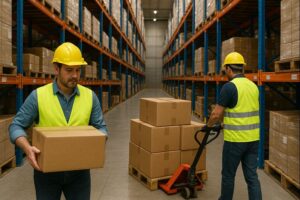
A 3PL warehouse is a facility operated by a third party logistics provider that manages storage, inventory, ecommerce fulfillment, and shipping on behalf of an ecommerce brand. Instead of packing and shipping orders internally, brands outsource these tasks to experts who specialize in logistics services, warehouse management, and scalable fulfillment processes.
In other words, a 3PL warehouse becomes your brand’s off-site logistics engine, handling everything from receiving inbound shipments to delivering orders to customers.
This allows founders to focus on growth, not packing boxes.
How a 3PL Warehouse Works
A 3PL warehouse uses integrated systems, trained fulfillment teams, and optimized workflows to manage order volume efficiently. Here’s how the process works:
1. Inventory Arrives at the Warehouse
Your products are received, scanned into the warehouse management system, and stored in designated locations for accuracy and quick retrieval.
2. Orders Sync Automatically
The 3PL integrates with your ecommerce platform (Shopify, Amazon, etc.), pulling in orders in real time.
3. Picking and Packing
Fulfillment teams pick products from their locations, pack them according to your specifications, and prepare them for shipment.
4. Shipping and Tracking
Labels are generated automatically, and tracking information is sent to your customers.
5. Returns and Reverse Logistics
When customers return items, the 3PL warehouse handles intake, inspection, and restocking or disposal.
Each step is designed to improve efficiency, accuracy, and scalability… key components of ecommerce fulfillment success.
Benefits of Using a 3PL Warehouse
3PL warehouses provide operational, financial, and logistical advantages that help ecommerce brands grow without chaos. The biggest benefits include:
1. Faster, More Reliable Fulfillment
With optimized workflows and trained teams, orders ship quickly and accurately, improving customer satisfaction.
2. Lower Operational Costs
Brands avoid paying for warehouse space, equipment, labor, and logistics software. Instead, they only pay for the services they use.
3. Better Inventory Visibility
Modern warehouse management systems provide real-time stock levels, performance insights, and improved supply chain optimization.
4. Scalable Operations During Growth
When order volume spikes, a 3PL warehouse can absorb the increase, especially during Q4, product launches, or influencer-driven demand.
5. Access to Carrier Discounts
Because 3PLs ship large volumes, they often secure better shipping rates than individual brands can.
6. Simplified Logistics Management
Outsourcing fulfillment removes operational stress, allowing founders to focus on marketing, product development, and expansion.
Costs of Partnering with a 3PL Provider
3PL warehouse pricing varies depending on the provider, order volume, and storage needs. Brands typically pay for:
- Receiving fees (processing inbound shipments)
- Storage fees (charged per pallet, bin, or SKU)
- Pick and pack fees (per order or per item)
- Packaging materials
- Shipping fees
- Special projects or custom handling
While cost varies, outsourcing fulfillment often becomes more affordable than running an in-house operation once order volume reaches a certain threshold.
A 3PL warehouse also reduces ongoing expenses like labor, rent, utilities, equipment, and logistics technology.
Signs It’s Time to Switch to a 3PL Warehouse
Most ecommerce brands reach predictable inflection points where fulfillment becomes too big to manage alone. Common signs include:
1. You’re Spending Too Much Time on Fulfillment
Founders are often pulled away from growth tasks because packing orders consumes their day.
2. Customer Complaints Are Increasing
Shipping delays, lost packages, or inconsistent fulfillment signal operational strain.
3. You’re Running Out of Storage Space
Growing inventory doesn’t fit in your current location or your home, garage, or small warehouse.
4. Labor Is Becoming Harder to Manage
Hiring, training, and scheduling warehouse staff becomes a burden.
5. You Want to Expand to Multi-Node Fulfillment
To offer 1–2 day shipping nationally, brands need multiple warehouse locations, a capability offered by experienced third party logistics providers.
When these symptoms appear, a 3PL warehouse can provide stability, efficiency, and scalability.
How to Choose the Right 3PL Warehouse Partner
The right partner should feel like an extension of your team, not a disconnected vendor. When evaluating 3PLs, focus on:
Experience With Ecommerce Fulfillment
Choose a partner with a track record supporting fast-growth brands.
Strength of Technology
Look for modern warehouse management systems, real-time dashboards, and clean integrations.
Operational Flexibility
A strong 3PL warehouse adapts to your brand’s needs, not rigid processes that slow you down.
Communication and Support
You should have clear points of contact and responsive support teams.
Scalability
The partner must absorb volume spikes and long-term growth without sacrificing performance.
Proven Reliability
Ask about accuracy rates, SLAs, and past performance with similar ecommerce brands.
A 3PL warehouse with the right culture and technology fit can enhance every part of your fulfillment strategy.
Conclusion: Simplifying Fulfillment With a Reliable 3PL Partner
A 3PL warehouse gives ecommerce brands the structure they need to scale through better logistics services, faster ecommerce fulfillment, improved inventory management, and reduced operational overhead. For founders who want to focus on growth instead of daily logistics, switching to a third party logistics partner becomes one of the most impactful business decisions they can make.
When you combine the right technology with dependable warehouse management and a partner that supports your long-term goals, fulfillment becomes a competitive advantage, not a bottleneck.