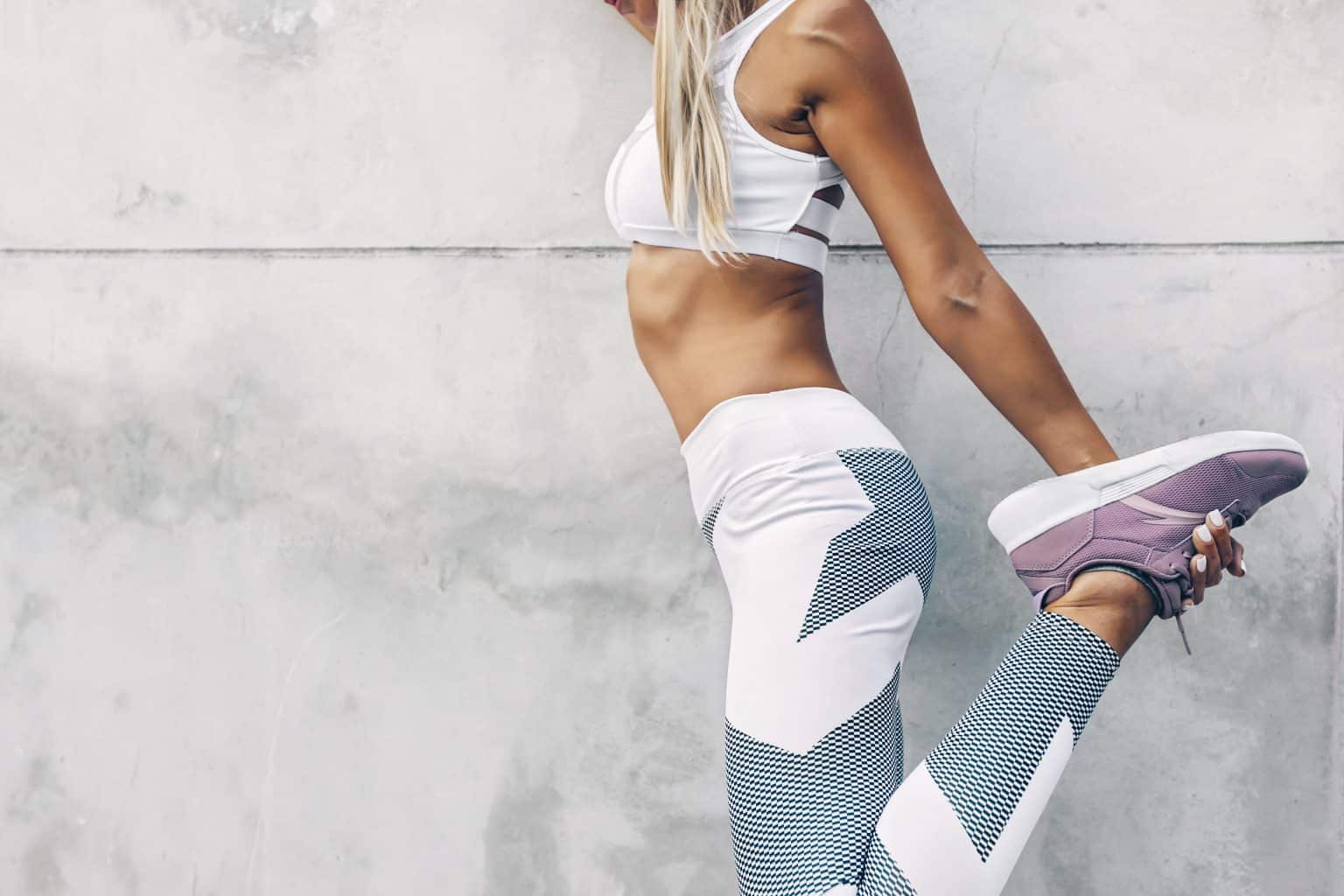
Many entrepreneurs looking to break into the ecommerce world with online stores have opted to sell athleisure. That’s because jeans aren’t the go-to anymore and wearing activewear is no longer just for gym rats. Athleisure is essentially athletic and leisure wear, which combined creates a popular comfortable clothing choice for everyone.
From celebrities to social media influencers and the average person, athleisure is both comfortable and trendy with certain brands growing to cultivate mass consumerism. What’s more, it never goes out of style but instead evolves with other trends that can be easily incorporated into your products and brand. From yoga pants and bike shorts, cropped tees and hoodies, oversized sweatshirts and stylized sports bras, these simple items are substituted as fashion statements included in the everyday wardrobe.
That being said, consumers are continuing to explore this trend, consistently implementing activewear pieces in day-to-day outfits for working out, chilling out or impressing peers. This is giving ecommerce entrepreneurs a strong foothold in the online retail industry when it comes to this genre as they continue to find new ways to adapt to the market demand.
So, whether you’re thinking about launching your first online athleisure store or you’re already an established brand looking to better inform yourself, this blog will provide great tips on selling activewear that will help you capitalize on this opportunity in a way that best advertises your brand and optimizes your product offerings.
WHY ATHLEISURE?
With the global activewear market expected to reach roughly $547 million by 2024, according to Allied Market Research, it’s no wonder new ecommerce brands continue to follow the trend set by athleisure giants such as Lululemon and Fabletics to get their slice of the online retail pie.
What’s more, with a shift toward consumers prioritizing their health and wellness, athleisure wear is in constant style, presenting an incredible opportunity for entrepreneurs to continually fill a niche that isn’t going away anytime soon.
In general, active clothing accounted for 28 percent of total dollars spent on apparel for 12 months ending in May 2020, according to research firm The NPD Group. Athleisure represented a major contributor to apparel sales in the U.S. alone, with the COVID-19 pandemic as the accelerator to consumer demand.
WHO’S YOUR TARGET AUDIENCE?
First thing’s first, when you’re choosing a focus for your brand and products, what’s its purpose? Is it fit, fashion or comfort? Ask yourself who your ideal consumer is and cater to them. Whether you’re selling activewear, athleisure or streetwear you need to know your target market. Is it millennials, people with active lifestyles or fashionistas?
Understanding who your customers are is the first pit stop in selecting activewear products, which comes through the tool of market research. Doing this helps you keep tabs on the latest trends within the industry and can also help you find a niche no one else has yet discovered.
For example, if the culture of your target market is active, select products with that at the forefront of your mind. This is the best way to fill a niche within the online apparel industry. Even if you’re using another company’s template as a model, you still add your own twist by introducing unique features.
Do research by hanging out where your clientele does. People watch and take notes on what they’re wearing and how they wear it. Ask yourself how you can take that idea and tweak it to make it unique and still create buyer demand. Does your target market accessorize with a hat or fanny pack? These are great things to consider including if it makes sense to your brand.
MARKETING TIPS
A picture is worth a thousand words and can garner even more likes and shares but only if you take the photo and post it! A well-thought out and captured photograph or video is a visual representation of your product, so be sure you’re investing in visuals.
In addition, diversify them. Don’t get stuck on simple “flat lays” where your product is sitting on a surface. Showcase its versatility through movement with an action shot or whatever makes sense to your brand. However you decide to show off your product, make sure you’re depicting an accurate representation of it so your consumer knows what to expect. Also consider collaborating with social media influencers or friends to show off your product in day-to-day life.
KEEP IT FLUID (ADAPT TO THE MARKET)
While most athleisure products are worn year-round they should still adapt to the seasons. Not only does consumer demand drive the popularity of athleisure but it’s important to think ahead for collections in terms of weather changes. Mix up your product range by creating designs for different times of the year.
Consider also making your products exclusive by creating a collection that has a limited number of items available or can be purchased only during a specific time frame. Note that to justify hyping your product it also needs to be more unique. Be the first to jump on the newest trend or offer something no-one has managed before.
Another way to stand out is to offer a product that combines athleisure and streetwear with yoga pants, joggers or cropped tees that have a printed graphic. Consumers tend to purchase products that combine style and functionality. A popular offering is adding pockets to reduce the need to carry personal items. For inspiration think of A Bathing Ape or Stussy, huge brands with decades between them in their founding but both found huge success.
START SELLING
Now that you’ve got a strong foundation for where to start and how to get there when it comes to selling athleisure online, make sure you’ve got a strong partner in mind to establish a credible brand for your product before demand outweighs supply.
No matter what style of product you choose and what demographic you decide to sell to, it’s critical to find a fulfillment center or 3PL that can partner with you to meet the needs of your business. You can use a fulfillment center to kit, pack and ship your product once you’ve gotten enough demand. For more information on how a relationship with a fulfillment center works with ecommerce stores, click here.