Amazon’s fulfillment network gives sellers access to fast shipping and Prime eligibility, but storing too much inventory inside FBA can become expensive. One of the most common challenges for growing brands is managing inventory levels efficiently enough to avoid unnecessary storage costs. For many businesses, working with a fulfillment partner like Fulex creates more control over inventory movement while helping reduce costs associated with excess stock.
What Are FBA Long-Term Storage Fees and Aged Inventory Surcharges?
FBA long-term storage fees are charges Amazon applies to inventory that remains in fulfillment centers for extended periods. These fees are designed to encourage sellers to keep inventory moving rather than using Amazon warehouses as long-term storage facilities. When products sit too long, profitability can quickly decline, especially for slower-moving SKUs. Understanding how FBA long-term storage fees work is critical for maintaining healthy margins. While Amazon offers exceptional fulfillment capabilities, inventory that stays stagnant can create avoidable costs that impact overall performance.
Why Aged FBA Inventory Hurts Seller Profitability
For many Amazon sellers, excess inventory ties up cash, occupies valuable warehouse space, and increases the likelihood of aging stock. When storage fees begin accumulating, products become more expensive to hold and harder to profit from.
The impact of FBA long-term storage fees extends beyond storage expenses alone. Sellers often face increased carrying costs, reduced inventory flexibility, and pressure to discount products simply to move aging stock. These challenges can affect both operational efficiency and profitability.
How 3PLs Help Sellers Avoid FBA Long-Term Storage Fees
One of the most effective ways to reduce FBA long-term storage fees is by keeping only the inventory needed for near-term sales inside Amazon fulfillment centers. This is where 3PLs provide significant value.
Instead of sending all available inventory directly to Amazon, businesses can store surplus inventory with partners like Fulex and release products in smaller quantities as needed. This approach allows brands to maintain inventory availability while reducing the risk of excessive stock sitting inside FBA for long periods.
Why Smarter Inventory Flow Helps Prevent Aged FBA Inventory
Many sellers mistakenly assume that sending more inventory to Amazon reduces stockout risk. In reality, strong inventory flow often delivers better results than excessive inventory levels. Products that move consistently through the supply chain are less likely to generate unnecessary storage costs.
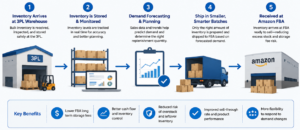
Fulex helps clients focus on inventory movement rather than warehouse accumulation. By creating a structured flow between warehouse storage and Amazon fulfillment centers, sellers can significantly lower exposure to FBA long-term storage fees while maintaining product availability.
How 3PLs Support Smarter Replenishment for FBA
Effective inventory replenishment ensures that Amazon receives inventory at the right time and in the right quantities. Rather than replenishing based on guesswork, businesses can use sales trends, inventory levels, and forecasting data to make smarter decisions.
This is one reason many 3PLs have become valuable partners for e-commerce brands. With structured inventory replenishment programs, sellers can keep Amazon stocked without overcommitting inventory. A disciplined replenishment process reduces the likelihood of triggering FBA long-term storage fees while improving inventory efficiency.
What Role Does Inventory Forecasting Play?
Forecasting is one of the most important tools for avoiding storage-related costs. Accurate demand planning helps businesses determine how much inventory should remain at Amazon versus how much should be held elsewhere.
Fulex works with small and mid-sized businesses to improve visibility into inventory levels and future demand. Better forecasting supports smarter purchasing decisions, more accurate inventory replenishment, and reduced risk of accumulating inventory that could eventually generate FBA long-term storage fees.
How 3PL Offsite Storage Reduces Pressure on FBA Inventory
Maintaining inventory in offsite storage provides sellers with greater flexibility than relying exclusively on Amazon warehouses. Instead of paying premium storage costs inside FBA, businesses can store reserve inventory in strategically located fulfillment facilities until it is needed. For growing brands, offsite storage acts as a buffer that supports sales growth while reducing unnecessary storage expenses. This strategy allows sellers to maintain product availability without exposing all inventory to potential FBA long-term storage fees.
3PL vs Direct FBA Storage: What Is the Difference?
The primary difference between FBA storage and third-party fulfillment storage is control. Inventory stored directly with Amazon is immediately available for fulfillment but may become costly if stock levels exceed demand. Inventory stored with a fulfillment partner can be released gradually based on actual sales activity.
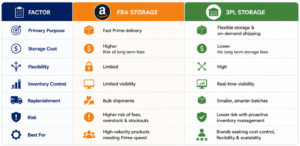
This flexibility is why many Amazon sellers rely on 3PLs as part of their broader inventory strategy. Rather than choosing between Amazon and external warehousing, many brands use both systems together to optimize inventory placement and reduce costs. Companies like Fulex also provide FBA preparation services that streamline inbound shipments and support ongoing inventory management.
How To Build a Better Inventory Strategy Around FBA Long Term Storage Fees
Reducing FBA long term storage fees starts with visibility, planning, and operational discipline. Sellers should monitor inventory age, forecast demand accurately, replenish inventory strategically, and maintain sufficient storage capacity outside of Amazon when appropriate.
The most successful brands view inventory as a moving asset rather than a static one. By partnering with experienced 3PLs such as Fulex, businesses gain access to warehousing, fulfillment expertise, and scalable storage solutions that support healthier inventory flow. Combined with proactive planning and the support of trusted 3PLs, sellers can reduce storage costs, improve inventory performance, and build a more efficient fulfillment operation for long-term growth.
FBA Long-Term Storage Fee FAQS:
What are FBA long-term storage fees and aged inventory surcharges?
They are fees Amazon charges for inventory that remains in fulfillment centers for extended periods, encouraging sellers to keep inventory moving efficiently.
How can sellers avoid FBA long-term storage fees?
Sellers can reduce risk by forecasting demand accurately, monitoring inventory age, and replenishing FBA inventory in smaller, more strategic quantities.
Can a 3PL help reduce Amazon storage fees?
Yes. 3PLs can store reserve inventory outside Amazon and send replenishment stock as needed, helping reduce excess inventory inside FBA.
What is the difference between FBA storage and 3PL storage?
FBA storage places inventory directly inside Amazon’s network, while a 3PL provides external warehousing and flexible inventory management options.
When should Amazon sellers use a 3PL?
Brands often benefit from a 3PL when inventory volumes grow, storage costs increase, or greater flexibility is needed for replenishment and inventory planning.